Following a seminar with District Superintendent Rev. Dr. Darryl Totty, Rev. Jung Eun Yum reflects on navigating conflict with humility, love, and grace. While conflict may be inevitable, division is not, and as people of faith, we are called to be agents of reconciliation in our churches and communities.
by Rev. Jung Eun Yum, Carleton UMC
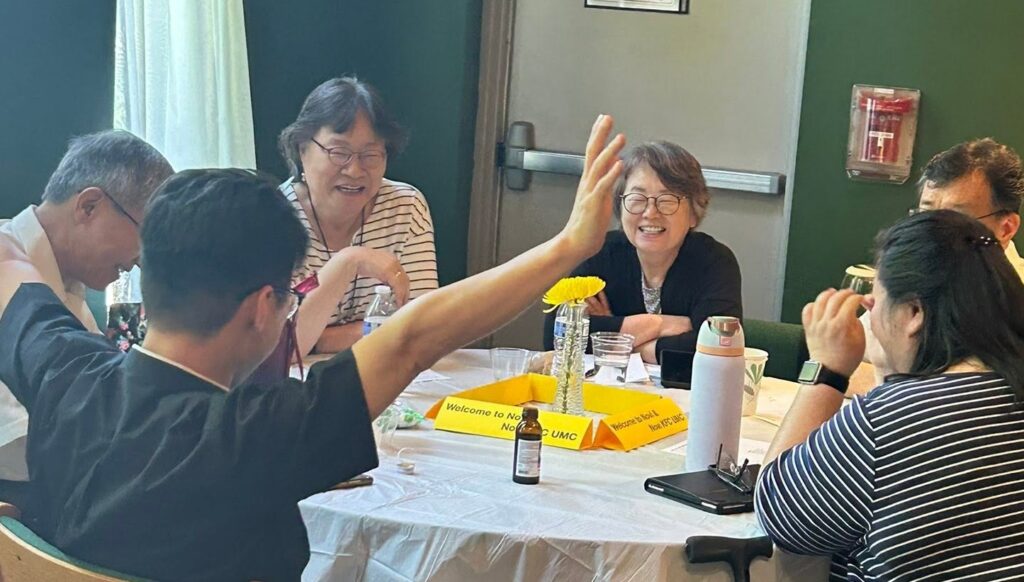
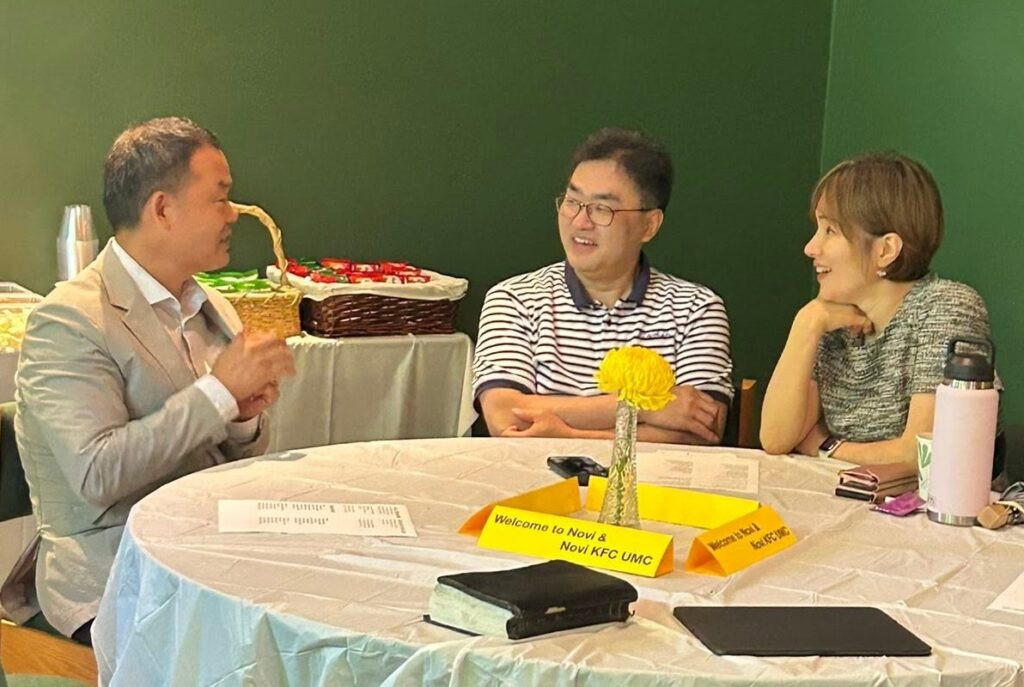
On June 30, 2026, following the busy season of the Michigan Annual Conference, our Korean pastors and their spouses gathered for a seminar at Novi United Methodist Church. The seminar topic was “A Holistic Approach to Church Conflict.” Church conflicts are perennial, inevitable, and frequently “hot potato” issues in ministry.
District Superintendent (DS) Rev. Dr. Darryl Totty served as our guest speaker. Having dealt with church conflict throughout his ministry—both as a local pastor and as a district superintendent—he was the perfect person to address this topic. In this newsletter, I would like to share the key lessons I learned from the seminar. I strongly believe we can apply these principles to any conflicts we have experienced in the past or may encounter in the future.
Throughout his lecture, DS Totty repeatedly emphasized three main ideas:
Conflict is inevitable: Wherever people gather, differences will arise.
Division is optional: Conflict does not have to result in fractured relationships or broken churches; how leaders respond is a choice.
Reconciliation is our calling: As pastors and Christians, the ultimate mandate is to move people past conflict toward a unified community.
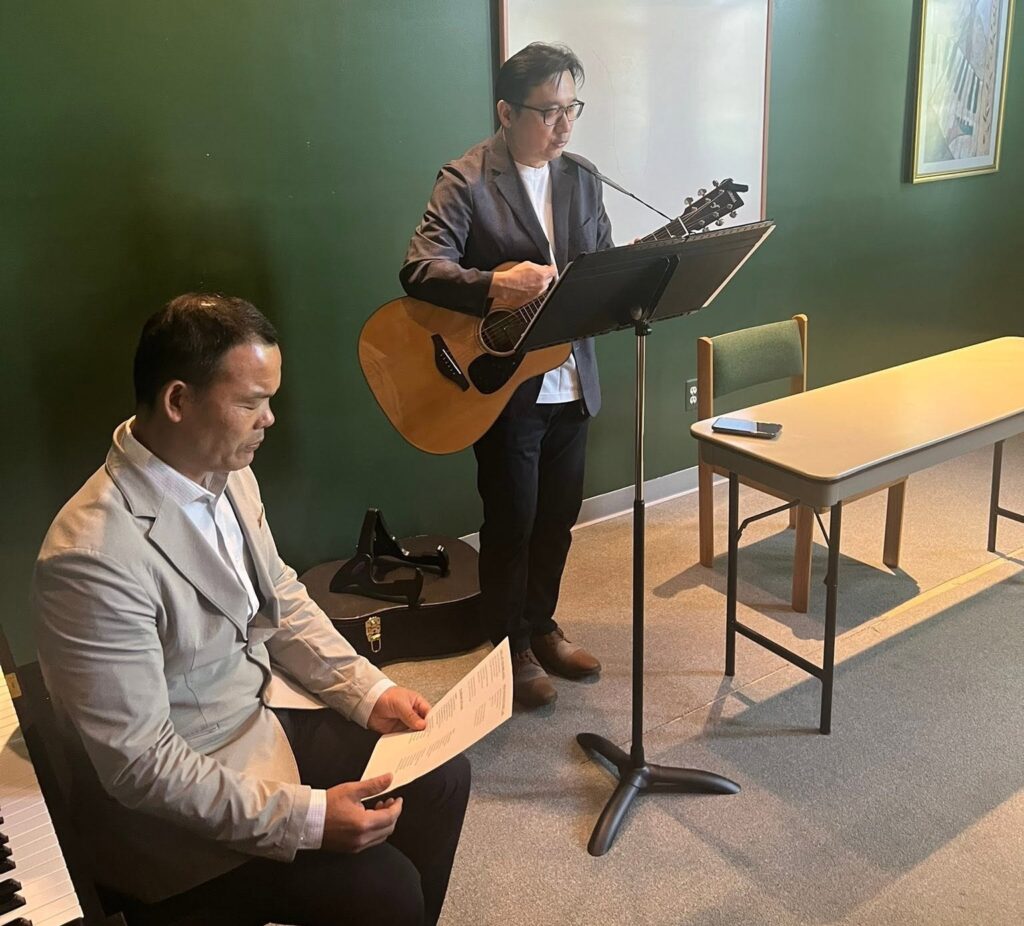
He also shared three important scriptures for us to ponder concerning conflict:
John 16:33: “I have told you these things, so that in me you may have peace. In this world you will have trouble. But take heart! I have overcome the world.”
Ephesians 6:12: “For our struggle is not against flesh and blood, but against the rulers, against the authorities, against the powers of this dark world and against the spiritual forces of evil in the heavenly realms.”
James 1:19: “My dear brothers and sisters, take note of this: Everyone should be quick to listen, slow to speak and slow to become angry.”
Each passage represents a vital truth: our identity as peacemakers in the world, the reality of waging spiritual warfare every single day, and our spiritual posture of humility and patience in the face of conflict. Personally, it was very refreshing and encouraging to me when DS Totty reminded us that our fight is not with people, but with the spiritual forces behind the scenes.
When navigating tension in our lives, our internal attitude dictates whether a situation escalates or de-escalates. Therefore, we must learn to cultivate and maintain a posture of humility rather than defensiveness. To do so, there are three things we need to be equipped with:
The Rule of Christ: Rooted in Matthew 18, we must address conflicts directly and privately in love. The goal of sharing information should be mutual understanding, not professional self-defense.
Earning Credibility: True credibility is gained when we are willing to listen to hard truths and admit when we did not do our homework for the sake of the larger mission.
Avoiding the Trap of Self-Centeredness: Human nature drives people to want to be first or to prove themselves right. Jesus models the path of service and humility over being served or vindicated.
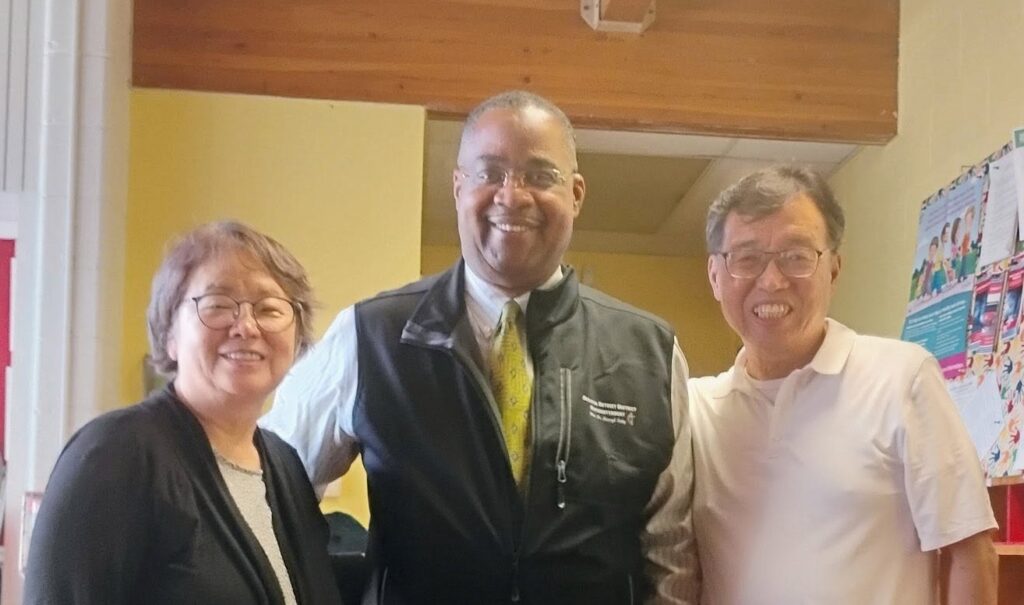
DS Totty underscored the importance of love when dealing with conflict, quoting Dr. Martin Luther King Jr.: “True peace is not merely the absence of tension. It is the presence of justice. Darkness cannot drive out darkness. Only light can do that. Hate cannot drive out hate. Only love can do that.”
John Wesley famously asked in his sermon “Catholic Spirit,” “Though we cannot think alike, may we not love alike?”
In striking harmony with Wesley’s enduring vision, DS Totty quoted Lauryn Hill, who shared these words during her acceptance speech for the Living Legend Icon Award at the 2026 BET Awards: “We may not always agree, but I am still rooting for the best for you.”
Overall, it was an insightful and enriching seminar, reminding our pastors that no one is immune to conflict. More importantly, we are called to cultivate a culture of the “beloved community,” where people with differing opinions are welcomed, respected, and treated with dignity as beloved children of God.
Pondering DS Totty’s teaching, one insight continuously echoes in my mind: conflict is inevitable, but division is optional. Reconciliation is our highest calling. As a people restored to God, we are entrusted with the ministry of reconciliation and commissioned to reconcile the world to God through Jesus Christ (2 Corinthians 5:18, 20).
DS Totty’s words reminded me of Henry Nouwen’s insight about our status as wounded healers in a dislocated world: “Nobody escapes being wounded. We all are wounded people, whether physically, emotionally, mentally, or spiritually. The main question is not ‘How can we hide our wounds?’ so we don’t have to be embarrassed, but ‘How can we put our woundedness in the service of others?’ When our wounds cease to be a source of shame, and become a source of healing, we have become wounded healers. Jesus is God’s wounded healer: through his wounds we are healed. Jesus’ suffering and death brought joy and life. His humiliation brought glory; his rejection brought a community of love. As followers of Jesus we can also allow our wounds to bring healing to others.” (Henry Nouwen, Bread for the Journey (1997), July 8)
Indeed, our conflicts often act as a conduit—exposing our ongoing need for sanctification while showcasing the power of Christ’s forgiving grace to bring healing and peace.
May we faithfully embody this reconciling love within our churches, our communities, and our everyday lives.
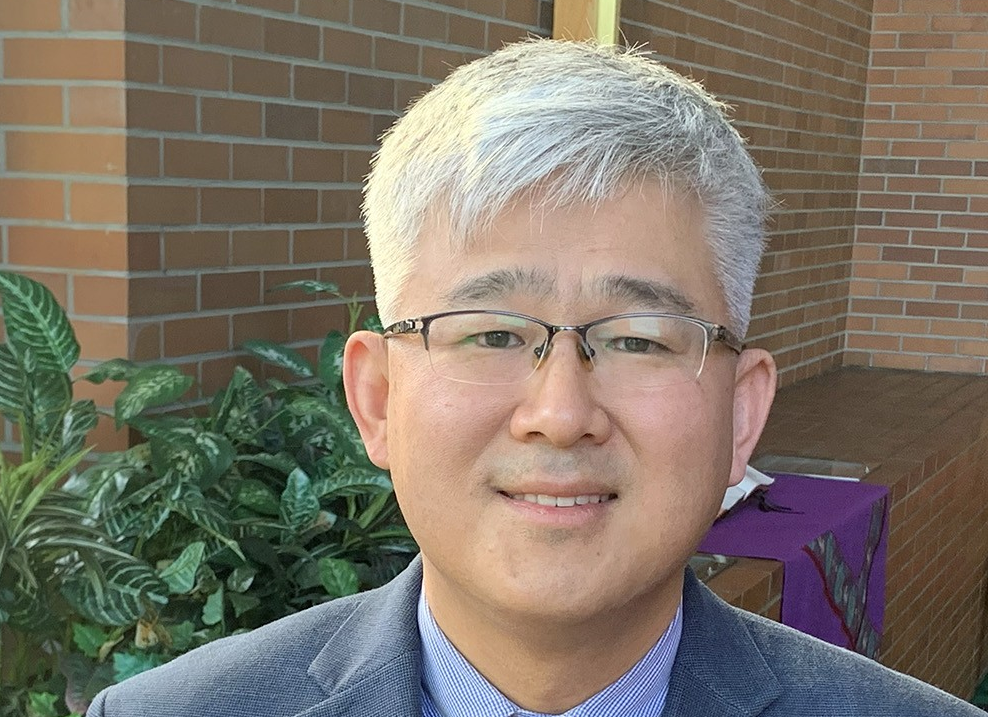
Rev. Jung Eun Yum
The Rev. Jung Eun Yum has served Carleton United Methodist Church since 2024. Born and raised in Chuncheon, South Korea, he discerned his call to ministry while serving as a chaplain assistant during his military service. He later attended Fuller Theological Seminary and has served churches in California, Michigan, and Minnesota, including Glendale Korean UMC, Detroit Korean UMC, Christ Korean UMC, and Midland First UMC.
Rev. Yum and his wife, Somi, have three children: Abe, Rachel, and Hannah.